
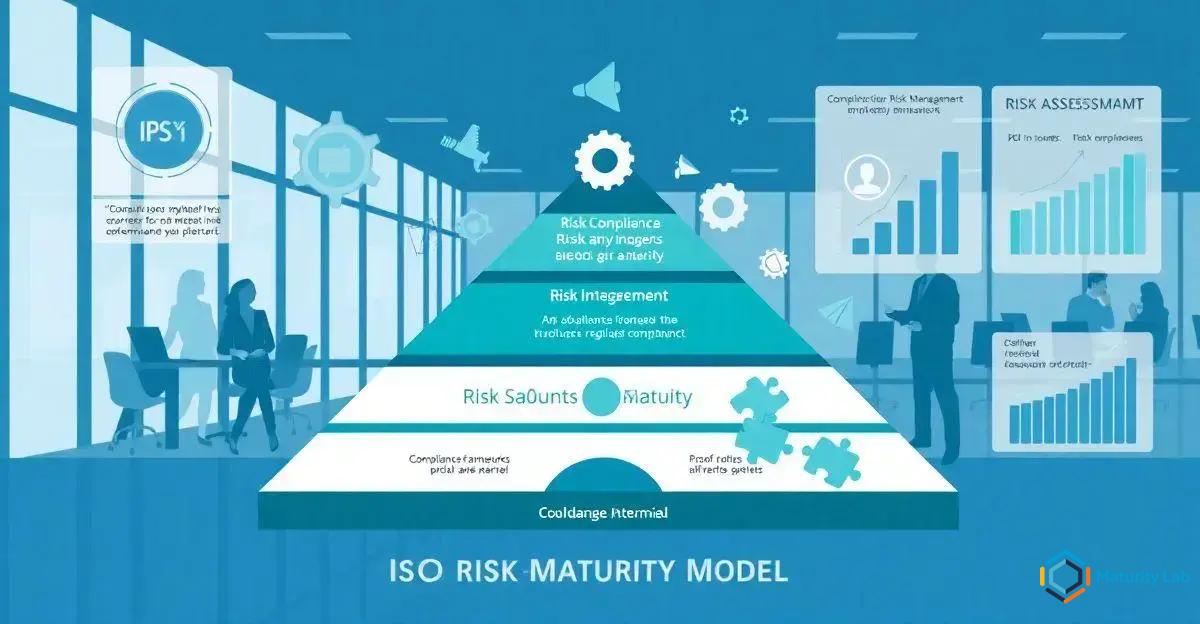
The ISO 31000 Maturity Model is a framework designed to enhance risk management and ensure regulatory compliance within organizations. It emphasizes the integration of risk management into all operations, fostering a risk-aware culture that supports informed decision-making. Key components include establishing a governance framework, conducting risk assessments, and implementing treatment strategies, while continuous monitoring and adaptation to regulatory changes are essential for maintaining compliance and achieving long-term success.
In today’s rapidly evolving business landscape, understanding the ISO 31000 Maturity Model is crucial for organizations aiming to enhance their risk structure and ensure regulatory compliance. The ISO 31000 framework provides a comprehensive approach to risk management, offering guidelines that help organizations identify, assess, and mitigate risks effectively. By adopting this model, businesses can not only align their risk management practices with international standards but also improve their overall operational resilience. Wouldn’t it be more efficient to implement an action plan to enhance your company’s maturity after understanding its current maturity level?
Understanding ISO 31000 Maturity Model

The ISO 31000 Maturity Model serves as a comprehensive framework for organizations seeking to enhance their risk management processes.
This model provides a structured approach to understanding and implementing risk management practices that align with international standards.
At its core, the ISO 31000 Maturity Model emphasizes the importance of integrating risk management into all aspects of an organization, from strategic planning to day-to-day operations.
One of the key components of the ISO 31000 Maturity Model is its focus on creating a risk-aware culture within the organization.
This involves educating employees at all levels about the significance of risk management and their role in identifying and mitigating potential risks.
By fostering a culture of risk awareness, organizations can ensure that risk management becomes an integral part of their corporate ethos, leading to more informed decision-making and enhanced operational resilience.
Systematic Process for Risk Management
Furthermore, the ISO 31000 Maturity Model outlines a systematic process for identifying, assessing, and managing risks.
This process begins with the establishment of a risk management framework, which includes defining the organization’s risk appetite, setting risk management objectives, and developing a risk management policy.
Once the framework is in place, organizations can proceed with the risk assessment phase, which involves identifying potential risks, analyzing their impact, and prioritizing them based on their likelihood and severity.
The final stage of the ISO 31000 Maturity Model involves the implementation of risk treatment strategies.
These strategies are designed to mitigate identified risks and may include risk avoidance, risk reduction, risk sharing, or risk acceptance.
By implementing these strategies, organizations can effectively manage their risk exposure and ensure compliance with relevant regulatory requirements.
In conclusion, the ISO 31000 Maturity Model provides a robust framework for organizations to enhance their risk management practices.
By adopting this model, businesses can not only improve their risk management capabilities but also strengthen their overall operational resilience and ensure compliance with international standards.
How can your organization benefit from integrating the ISO 31000 Maturity Model into its risk management practices?
Implementing Risk Structure for Regulatory Compliance

Implementing a robust risk structure is essential for organizations striving to achieve regulatory compliance and enhance their overall risk management capabilities.
The ISO 31000 framework provides a strategic approach to developing a risk structure that aligns with regulatory requirements and supports the organization’s objectives. By integrating risk management into the organizational structure, businesses can ensure that compliance is not just a checkbox exercise but a fundamental aspect of their operations.
The first step in implementing a risk structure is to establish a clear governance framework that defines roles, responsibilities, and accountability for risk management across the organization. This involves appointing a dedicated risk management team or officer responsible for overseeing the risk management process and ensuring compliance with relevant regulations. Additionally, organizations should develop a risk management policy that outlines their commitment to risk management and sets the tone for a risk-aware culture.
Identifying and Assessing Risks
Once the governance framework is in place, organizations can focus on identifying and assessing risks that may impact their ability to comply with regulatory requirements. This involves conducting a comprehensive risk assessment to identify potential compliance risks, analyze their impact, and prioritize them based on their likelihood and severity. By understanding the specific compliance risks they face, organizations can develop targeted risk treatment strategies to mitigate these risks effectively.
Implementing risk treatment strategies is a critical component of the risk structure. These strategies may include developing internal controls, implementing compliance monitoring systems, and conducting regular audits to ensure adherence to regulatory requirements. By proactively managing compliance risks, organizations can minimize the likelihood of regulatory breaches and associated penalties, thereby safeguarding their reputation and financial stability.
In addition to risk treatment strategies, organizations should establish a continuous monitoring and review process to ensure the effectiveness of their risk structure. This involves regularly reviewing and updating the risk management framework, conducting periodic risk assessments, and monitoring changes in the regulatory environment. By maintaining an agile and responsive risk structure, organizations can adapt to evolving regulatory requirements and ensure ongoing compliance.
In summary, implementing a risk structure for regulatory compliance is a strategic process that requires a comprehensive understanding of the organization’s risk landscape and regulatory obligations. By leveraging the ISO 31000 framework, organizations can develop a robust risk structure that supports compliance and enhances their overall risk management capabilities. What steps can your organization take to strengthen its risk structure and ensure regulatory compliance?
In conclusion, the ISO 31000 Maturity Model offers a structured and comprehensive approach to risk management that is crucial for organizations aiming to enhance their risk structure and achieve regulatory compliance.
By integrating risk management into every facet of their operations, organizations can foster a risk-aware culture that supports informed decision-making and operational resilience.
The implementation of a robust risk structure, as outlined by the ISO 31000 framework, ensures that compliance is seamlessly woven into the organizational fabric, rather than being treated as a mere regulatory obligation.
This involves establishing a clear governance framework, conducting thorough risk assessments, and implementing targeted risk treatment strategies.
Moreover, continuous monitoring and adaptation to regulatory changes are essential to maintaining compliance and safeguarding the organization’s reputation and financial stability.
Ultimately, by adopting the ISO 31000 Maturity Model, organizations can not only enhance their risk management capabilities but also position themselves for long-term success in an increasingly complex regulatory landscape.
How prepared is your organization to integrate these principles into its risk management practices?
Frequently Asked Questions about the ISO 31000 Maturity Model
What is the ISO 31000 Maturity Model?
The ISO 31000 Maturity Model is a framework that provides guidelines for risk management, helping organizations integrate risk management practices into their operations to enhance resilience and ensure regulatory compliance.
How does the ISO 31000 Maturity Model foster a risk-aware culture?
The model emphasizes educating employees at all levels about the importance of risk management, encouraging them to identify and mitigate risks, thereby making risk management an integral part of the corporate ethos.
What are the key steps in implementing a risk structure for regulatory compliance?
Key steps include establishing a governance framework, conducting comprehensive risk assessments, implementing risk treatment strategies, and maintaining continuous monitoring and review processes.
Why is a governance framework important in risk management?
A governance framework defines roles, responsibilities, and accountability for risk management, ensuring that compliance is integrated into the organization’s operations and not treated as a separate obligation.
How can organizations ensure continuous compliance with evolving regulations?
Organizations can ensure continuous compliance by regularly reviewing and updating their risk management framework, conducting periodic risk assessments, and monitoring changes in the regulatory environment.
What benefits can organizations gain from adopting the ISO 31000 Maturity Model?
By adopting the ISO 31000 Maturity Model, organizations can enhance their risk management capabilities, improve operational resilience, ensure regulatory compliance, and position themselves for long-term success.


