

Innovation maturity models are vital frameworks that enable organizations to evaluate and enhance their innovation capabilities in alignment with strategic objectives. By cultivating a supportive innovation culture and utilizing models like CMMI and OPM3, businesses can systematically improve their processes through assessing current practices, establishing clear goals, and creating actionable plans. Continuous improvement and strong leadership commitment are essential for maintaining innovation and achieving long-term success, ultimately positioning organizations for a competitive edge.
In today’s rapidly evolving business landscape, understanding the Innovation Maturity Model is crucial for organizations aiming to enhance their innovation culture and achieve strategic alignment. These models serve as frameworks that guide companies in assessing their current innovation capabilities and identifying areas for improvement. By leveraging the principles of various maturity models such as PEMM, CMMI, and ISO 31000, businesses can systematically enhance their processes, ensuring they remain competitive and forward-thinking. Wouldn’t it be more efficient to implement an action plan to enhance your company’s maturity after understanding its current maturity level?
Understanding Innovation Maturity Models
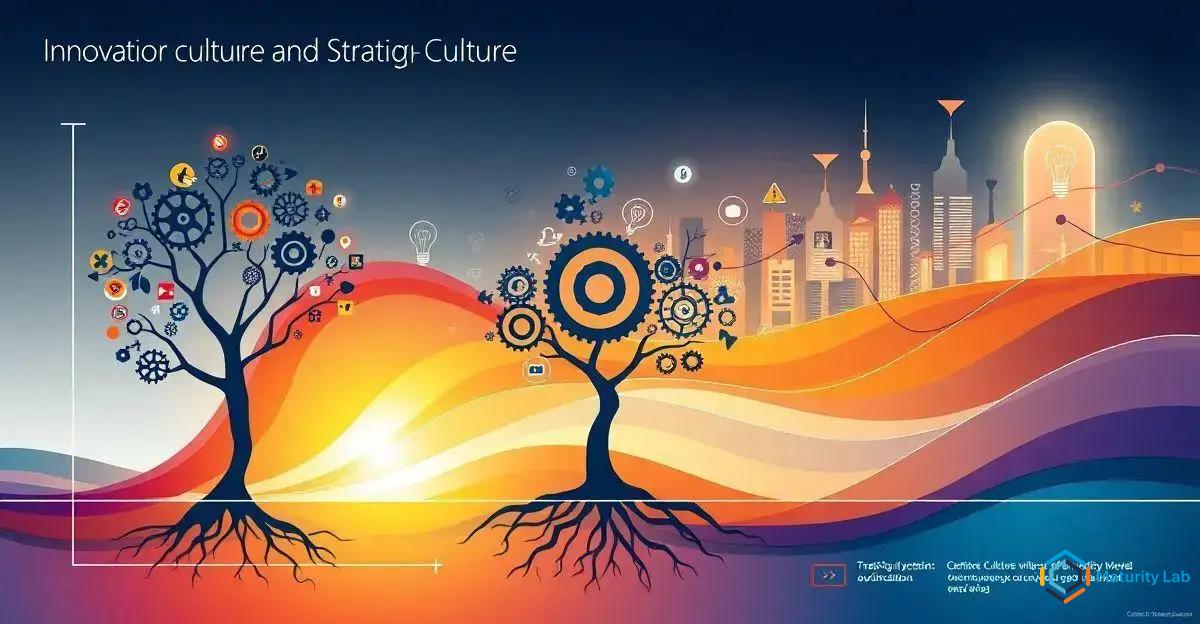
Understanding Innovation Maturity Models involves delving into frameworks that enable organizations to assess and enhance their innovation capabilities systematically.
These models, such as the Capability Maturity Model Integration (CMMI) and the Organizational Project Management Maturity Model (OPM3), offer structured approaches to evaluate the maturity of innovation processes within a company.
The core premise of an Innovation Maturity Model is to provide a roadmap for continuous improvement by identifying current strengths and weaknesses in an organization’s innovation practices.
Typically, these models are divided into several levels, ranging from initial or ad-hoc processes to optimized and continuously improving practices. Each level represents a stage of maturity that reflects the sophistication and effectiveness of the organization’s innovation efforts.
For instance, at the initial level, innovation processes might be unpredictable and reactive, often relying on individual efforts rather than a cohesive strategy. As organizations progress through the maturity levels, they develop more structured and repeatable processes, eventually achieving a state where innovation is ingrained in the organizational culture and aligned with strategic objectives.
One of the significant advantages of employing an Innovation Maturity Model is the ability to benchmark against industry standards and best practices. This benchmarking facilitates a clearer understanding of where an organization stands in comparison to its peers and what steps are necessary to advance its innovation capabilities.
Moreover, these models encourage a culture of continuous learning and adaptation, essential in today’s dynamic business environment.
In practice, organizations can utilize these models to conduct a thorough assessment of their innovation processes, identify gaps, and develop targeted action plans to address these gaps. By doing so, they not only enhance their innovation potential but also ensure that their efforts are strategically aligned with broader business goals.
Wouldn’t it be beneficial for your organization to understand its current innovation maturity level and take proactive steps towards improvement?
The Role of Innovation Culture in Maturity

The role of innovation culture in maturity is pivotal, as it forms the foundation upon which sustainable innovation processes are built.
An organization’s culture significantly influences its ability to innovate, adapt, and thrive in a competitive environment.
A robust innovation culture encourages creativity, experimentation, and risk-taking, all of which are essential components of a mature innovation framework.
At the heart of an effective innovation culture is the empowerment of employees to contribute ideas and challenge the status quo.
This empowerment fosters an environment where individuals feel valued and motivated to engage in innovative activities.
Organizations with a strong innovation culture often exhibit characteristics such as open communication, collaborative teamwork, and a willingness to embrace change.
These traits are crucial for progressing through the stages of an Innovation Maturity Model.
Leadership and Innovation Culture
Moreover, leadership plays a critical role in shaping and nurturing an innovation culture.
Leaders must demonstrate a commitment to innovation by providing the necessary resources, support, and recognition for innovative efforts.
They should also model innovative behavior, encouraging others to follow suit.
By doing so, they create a culture that not only supports but actively drives innovation.
Innovation culture also intersects with strategic alignment, as it ensures that innovation efforts are in line with the organization’s overall goals and objectives.
A mature innovation culture aligns its initiatives with strategic priorities, ensuring that resources are allocated effectively and that innovation contributes to the organization’s long-term success.
In practice, cultivating an innovation culture requires deliberate efforts to embed innovation into the organization’s values, practices, and processes.
This can be achieved through training programs, innovation workshops, and the establishment of cross-functional teams dedicated to exploring new ideas.
By fostering a culture that values and supports innovation, organizations can enhance their maturity and position themselves for sustained growth and success.
Reflecting on your organization’s culture, are there areas where fostering a stronger innovation culture could enhance your maturity and drive strategic success?
Achieving Strategic Alignment through Maturity Models

Achieving strategic alignment through maturity models is a critical endeavor for organizations seeking to harmonize their innovation efforts with overarching business objectives.
Maturity models serve as valuable tools in this process, offering structured frameworks that guide organizations in aligning their innovation strategies with their strategic goals.
Strategic alignment involves ensuring that an organization’s innovation activities are directly contributing to its long-term vision and mission. Maturity models, such as the Project Management Maturity Model (PMMM) and the Business Process Maturity Model (BPMM), provide a systematic approach to evaluate and enhance this alignment. These models help organizations identify misalignments between their innovation processes and strategic objectives, enabling them to make informed adjustments.
One of the primary benefits of using maturity models for strategic alignment is the ability to create a clear roadmap for innovation. By assessing their current maturity level, organizations can pinpoint areas where alignment is lacking and develop targeted strategies to address these gaps. This process often involves setting specific, measurable goals that ensure innovation efforts are contributing to the organization’s strategic priorities.
Collaboration and Communication
Furthermore, maturity models facilitate communication and collaboration across different organizational levels. By providing a common language and framework, they enable various departments to work together towards shared objectives. This collaborative approach ensures that innovation is not siloed but integrated into the organization’s overall strategy.
In practice, achieving strategic alignment through maturity models requires a commitment to continuous improvement and adaptation. Organizations must regularly assess their maturity levels, monitor progress, and adjust their strategies as needed. This iterative process ensures that innovation remains aligned with strategic goals, even as the business environment evolves.
Ultimately, the successful integration of maturity models into strategic planning can lead to enhanced organizational performance, increased competitiveness, and sustained growth. As you consider your organization’s strategic objectives, how might maturity models help you achieve better alignment and drive innovation success?
Practical Steps to Implement Innovation Maturity Models

Implementing innovation maturity models involves a series of practical steps that organizations can follow to systematically enhance their innovation capabilities. These steps provide a structured approach to assess current practices, identify areas for improvement, and align innovation efforts with strategic goals.
1. Assessment of Current State: The first step is to conduct a comprehensive assessment of the organization’s current innovation processes and capabilities. This involves gathering data through surveys, interviews, and workshops to understand the existing maturity level. Tools such as the Capability Maturity Model Integration (CMMI) can be employed to facilitate this assessment, providing a clear picture of where the organization stands.
2. Define Objectives and Goals: Once the current state is understood, the next step is to define clear objectives and goals for innovation maturity. These should align with the organization’s strategic priorities and provide a roadmap for improvement. Setting specific, measurable, achievable, relevant, and time-bound (SMART) goals ensures that progress can be tracked effectively.
3. Develop an Action Plan: With objectives in place, organizations should develop a detailed action plan outlining the steps needed to achieve desired maturity levels. This plan should include timelines, resource allocation, and responsibilities for each action item. It is crucial to involve key stakeholders in this process to ensure buy-in and support.
4. Implement and Monitor: Implementation involves executing the action plan and making necessary changes to innovation processes and practices. During this phase, it is important to monitor progress regularly and make adjustments as needed. Utilizing maturity models like the Organizational Project Management Maturity Model (OPM3) can help track improvements and ensure alignment with strategic goals.
5. Continuous Improvement: Innovation maturity is not a one-time achievement but a continuous journey. Organizations should establish mechanisms for ongoing evaluation and improvement, such as regular maturity assessments and feedback loops. This ensures that innovation practices remain relevant and effective in a changing business environment.
6. Foster an Innovation Culture: Throughout the implementation process, fostering a culture that supports innovation is essential. This involves encouraging creativity, collaboration, and risk-taking, as well as recognizing and rewarding innovative efforts. Leadership should play a key role in modeling and promoting this culture.
By following these practical steps, organizations can effectively implement innovation maturity models and enhance their innovation capabilities. As you consider implementing these models, what specific steps can your organization take to ensure successful adoption and alignment with strategic objectives?
In conclusion, the integration of innovation maturity models into organizational frameworks offers a strategic pathway for enhancing innovation capabilities and achieving alignment with business objectives.
By understanding and applying these models, organizations can systematically assess their current innovation maturity, identify areas for improvement, and implement targeted strategies to advance their innovation processes.
The role of a supportive innovation culture cannot be overstated, as it underpins the successful adoption and implementation of maturity models.
Key Components
Leadership commitment, clear objectives, and continuous improvement are essential components in this journey.
As organizations strive to remain competitive in an ever-evolving business landscape, leveraging innovation maturity models provides a structured approach to fostering sustainable innovation and strategic success.
Reflecting on your organization’s current practices, how can you harness the power of maturity models to drive innovation and achieve your strategic goals?
Frequently Asked Questions about Innovation Maturity Models
What is an Innovation Maturity Model?
An Innovation Maturity Model is a framework that helps organizations assess and enhance their innovation capabilities by identifying current strengths and weaknesses and providing a roadmap for continuous improvement.
How does innovation culture influence maturity?
Innovation culture plays a crucial role in maturity by fostering an environment that encourages creativity, experimentation, and risk-taking, which are essential for developing mature innovation processes.
What are the benefits of achieving strategic alignment through maturity models?
Achieving strategic alignment through maturity models ensures that innovation efforts are directly contributing to the organization’s long-term goals, leading to enhanced performance, competitiveness, and sustained growth.
What are the first steps to implementing an Innovation Maturity Model?
The first steps include assessing the current state of innovation processes, defining clear objectives and goals, and developing a detailed action plan to guide the implementation process.
Why is continuous improvement important in innovation maturity?
Continuous improvement is vital because it ensures that innovation practices remain relevant and effective in a changing business environment, allowing organizations to adapt and thrive.
How can leadership support the implementation of innovation maturity models?
Leadership can support implementation by providing necessary resources, modeling innovative behavior, fostering a supportive culture, and ensuring alignment with strategic objectives.


